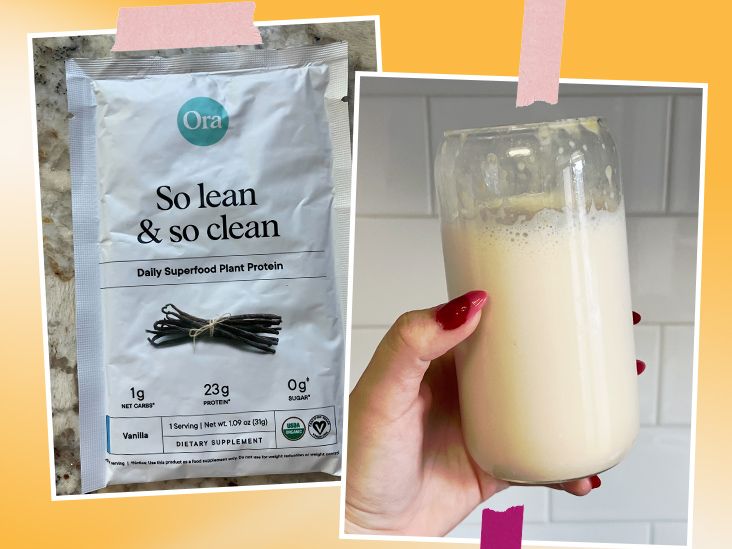
The quest for optimal health, performance, and body composition often leads us down the bustling aisles of the supplement store or through endless online product listings. Among the most popular and versatile supplements, protein powder stands out, promising everything from muscle growth to enhanced recovery and satiety. However, with an overwhelming array of options, deciphering which protein powder truly aligns with your unique needs can feel like a Herculean task. That's where a dietitian's perspective becomes invaluable, cutting through the marketing hype to provide clarity and empower you to make informed choices.
Welcome to a guide to the best protein powder – one that's dietitian-approved and focused on helping you achieve your specific goals. Protein powder, when used correctly, is more than just a convenient way to hit your daily protein targets. Many formulations also offer a valuable boost of other beneficial nutrients like iron, calcium, fiber, and even vitamin D, making them a truly powerful addition to your nutritional toolkit. But how do you select the right one? Let's dive in.
Why Protein Matters: Fueling Your Body and Goals
Before we explore the world of protein powders, it's crucial to understand why protein is so vital. This macronutrient is the building block of life, playing a fundamental role in virtually every bodily function. It's essential for:
- Muscle Repair and Growth: Especially after exercise, protein helps repair damaged muscle fibers and synthesize new ones, leading to increased strength and size.
- Satiety and Weight Management: Protein is incredibly filling, helping you feel fuller for longer, which can be a game-changer for managing appetite and supporting weight loss or maintenance efforts.
- Metabolism Boost: The body expends more energy digesting protein compared to fats or carbohydrates, contributing to a slightly higher metabolic rate.
- Bone Health: Adequate protein intake works synergistically with calcium and vitamin D to maintain strong, healthy bones.
- Enzyme and Hormone Production: Proteins are integral components of enzymes, hormones, and other essential molecules that regulate bodily processes.
- Immune Function: Antibodies, which fight infections, are made of protein.
Whether your goal is to build muscle, lose weight, enhance athletic performance, or simply ensure you're meeting your daily nutritional needs, protein is non-negotiable. A common pattern dietitians observe is that many individuals, especially active ones, struggle to consume enough protein through whole foods alone, making protein powder a practical and effective supplement.
Navigating the Protein Powder Landscape: Key Considerations
The protein powder market is vast, but by focusing on a few key factors, you can significantly narrow down your choices and find a product that genuinely supports your health and fitness journey. This section serves as your comprehensive guide to the best protein powder for your unique requirements.
Understanding Protein Types: Whey, Casein, and Plant-Based
The type of protein is perhaps the most fundamental decision you'll make. Each offers distinct advantages:
-
Whey Protein: Derived from cow's milk, whey is the most widely consumed protein powder. It's renowned for its rapid digestion and rich amino acid profile, particularly leucine, which is crucial for muscle protein synthesis.
- Whey Concentrate: The least processed form, containing more dairy (lactose), carbs, and fats, typically 70-80% protein. It's often more affordable and has a creamy texture.
- Whey Isolate: Further processed to remove most of the lactose, fat, and carbohydrates, resulting in 90% or more protein. It's a good choice for those with mild lactose sensitivity or who prefer a leaner protein source.
- Hydrolyzed Whey: This form undergoes enzymatic pre-digestion, breaking proteins into smaller peptides for even faster absorption. It's often used by athletes seeking rapid recovery but can be more expensive.
- Casein Protein: Also milk-derived, casein is the "slow and steady" counterpart to whey. It forms a gel in the stomach, leading to a much slower and sustained release of amino acids. This makes it ideal for periods when you need a prolonged protein supply, such as before bed, to support overnight muscle recovery and prevent muscle breakdown.
- Plant-Based Protein: An excellent option for vegans, vegetarians, or those with dairy allergies or sensitivities. Plant proteins come from various sources, including pea, rice, hemp, pumpkin seed, and soy. While some individual plant proteins might lack a complete amino acid profile on their own, many high-quality plant-based powders are blends (e.g., pea and rice protein) that together provide all essential amino acids, mirroring the nutritional completeness of whey. They can sometimes be slightly higher in carbs and lower in protein per scoop compared to animal-based options, but advancements in processing have largely closed this gap. For a deeper dive into the specific advantages of each type, check out our article: Whey, Casein, Plant-Based: Choosing Your Perfect Protein Powder.
Protein Content: Tailoring to Your Daily Needs
A good protein powder typically delivers anywhere from 20 to 30 grams of protein per scoop. To determine your ideal amount, consider your overall daily protein goals, activity level, and how you intend to use the powder. If you're using it as a supplemental boost after a workout or as part of a snack, 20-25g might suffice. If you're blending it into a smoothie intended as a meal replacement, aiming for a powder closer to 30g of protein, combined with other nutrient-dense ingredients, would be more appropriate.
Beyond Protein: Macros, Calories, and Added Nutrients
While protein is undeniably the star, don't overlook the supporting cast of other macros (fats and carbohydrates) and overall calorie count. If you're on a strict calorie deficit or surplus, these numbers become highly relevant. Some powders are designed to be lean and pure, while others might include carbohydrates for energy or healthy fats for satiety. Additionally, many protein powders are fortified with beneficial micronutrients like fiber (aids digestion and satiety), iron, calcium, and vitamin D, adding an extra layer of nutritional value. To explore these considerations further, consult our detailed guide: Protein Powder Guide: What to Consider Beyond Just Macros.
Taste, Mixability, and Texture: Consistency is Key
This might seem trivial, but if your protein powder tastes chalky, doesn't mix well, or has an unappealing texture, you simply won't use it consistently. And consistency is paramount for seeing results. Experiment with different flavors and brands. Read reviews about mixability. The "best" protein powder is one you genuinely enjoy and can seamlessly integrate into your daily routine.
Third-Party Testing: Ensuring Purity and Potency
Given that supplements are not as strictly regulated as pharmaceuticals, third-party testing is a non-negotiable factor for safety and peace of mind. Look for certifications from reputable organizations like NSF Certified for Sport, Informed-Sport, or USP. These certifications verify that the product contains what its label claims, is free from harmful contaminants (like heavy metals), and is devoid of banned substances – particularly crucial for competitive athletes.
Price vs. Value: A Long-Term Investment
Protein powders range widely in price. While it's tempting to opt for the cheapest option, remember that you often get what you pay for in terms of quality, purity, and effectiveness. Consider the cost per serving rather than just the upfront price of the tub. A slightly higher investment in a quality, third-party tested product that you'll consistently use is a far better value in the long run than a cheaper alternative that sits unused or offers questionable ingredients.
Dietitian's Top Tips for Incorporating Protein Powder
Now that you have a guide to the best protein powder based on selection criteria, here's how to make it work for you:
- Don't Limit it to Post-Workout: While effective after exercise, protein powder can be used anytime you need a protein boost. Add it to your breakfast smoothie, mix it into oatmeal, use it as an afternoon snack, or blend it into yogurt.
- Experiment with Recipes: Protein powder isn't just for shakes! It can be incorporated into pancakes, muffins, energy bites, and even soups to boost the protein content of your favorite dishes.
- Prioritize Whole Foods: Remember, protein powder is a supplement, not a replacement for whole food protein sources like lean meats, fish, eggs, dairy, beans, and lentils. Aim to get the majority of your protein from these foods, using powder to fill any gaps.
- Hydrate: When increasing protein intake, ensure you're drinking plenty of water, as protein metabolism requires adequate hydration.
- Listen to Your Body: Pay attention to how different types of protein powder make you feel. Some individuals might experience digestive discomfort with whey concentrate due to lactose, making isolate or plant-based options better choices.
Conclusion
Choosing the "best" protein powder is a highly personal decision, deeply intertwined with your individual dietary preferences, health goals, and lifestyle. By approaching the market with the knowledge gained from this dietitian-approved guide to the best protein powder, you can cut through the noise and confidently select a product that not only tastes great but also provides genuine nutritional support for your journey. Prioritize type, protein content, overall macros, third-party testing, and of course, your personal enjoyment. And when in doubt, remember that a personalized consultation with a registered dietitian can provide tailored recommendations to ensure your protein powder choice truly helps you reach your full potential.
